

How to elope in Colorado. If you’re here, chances are you’re not dreaming about a giant ballroom, a packed seating chart, or spending your wedding day rushing from one thing to the next.
You want something that feels real.
Maybe that looks like private vows on a mountain overlook. Maybe it’s a sunrise first look by an alpine lake. Maybe it’s bringing a handful of your favorite people and turning your wedding day into something slower, more meaningful, and way more you.
That’s exactly why so many couples choose to elope in Colorado.
Colorado gives you a lot of freedom when it comes to getting married. The scenery is unreal, the seasons all bring something different, and one of the biggest perks is that Colorado allows couples to self-solemnize, which means you can legally marry yourselves without an officiant or witnesses. That makes it one of the easiest and most appealing states in the country for couples planning an intimate wedding or adventure elopement.
Marriage verification link:
https://cdphe.colorado.gov/vital-records/other
But even though eloping is simpler than planning a traditional wedding, there are still a lot of moving pieces. You still need to choose the right location, figure out permits, understand the marriage license process, plan a timeline, think through weather and accessibility, and decide how you want the whole experience to feel.
This guide walks you through all of it, step by step.
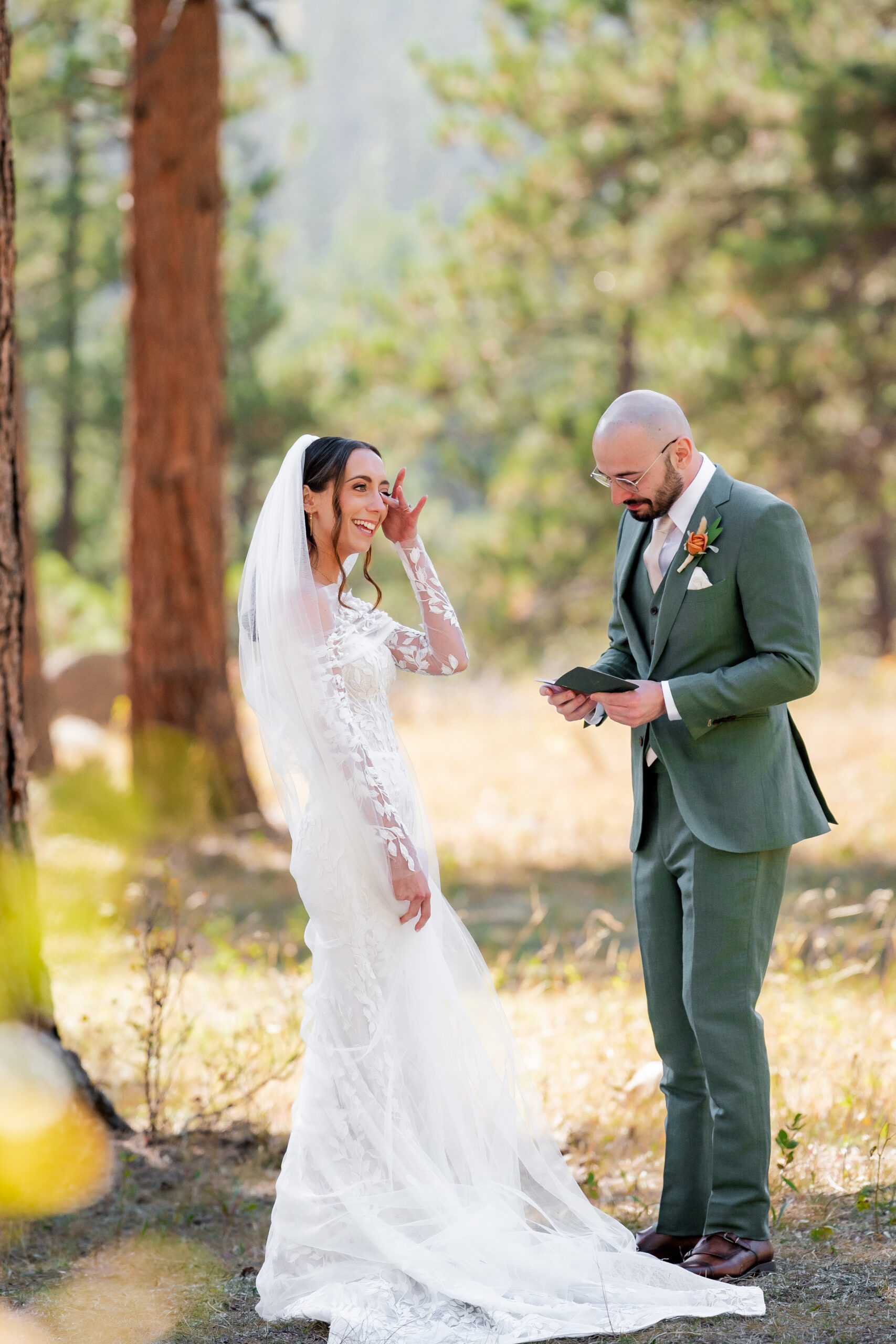
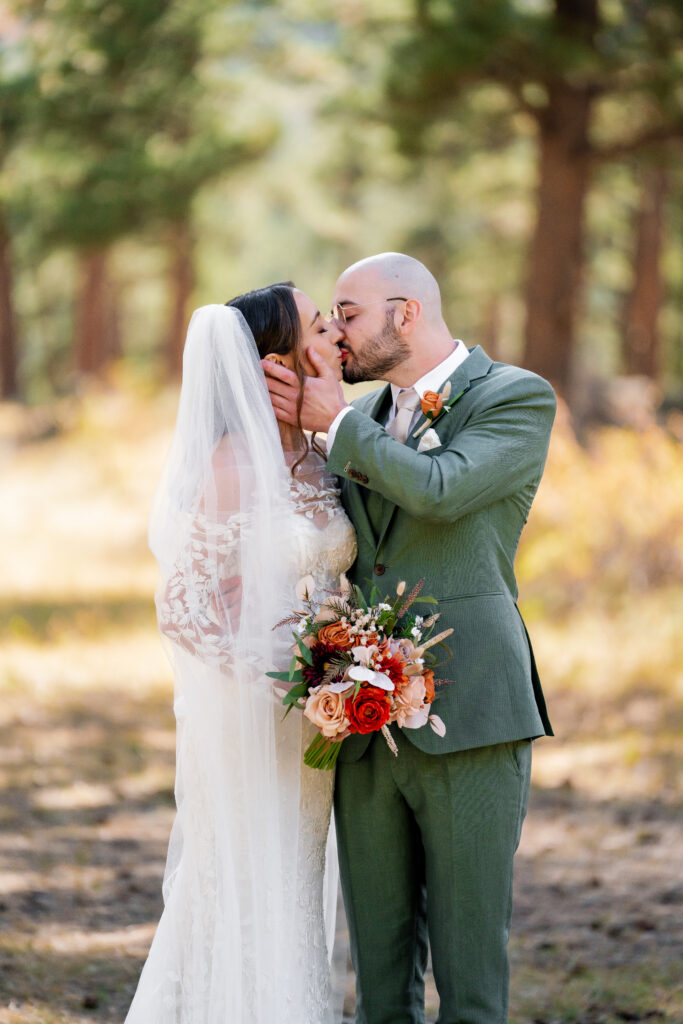
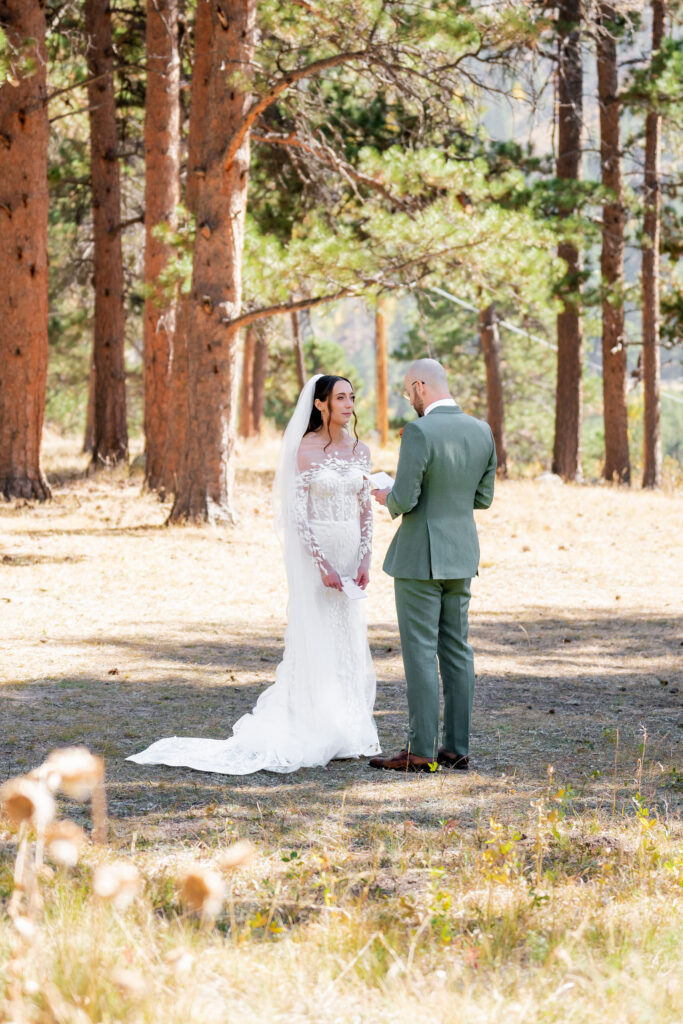
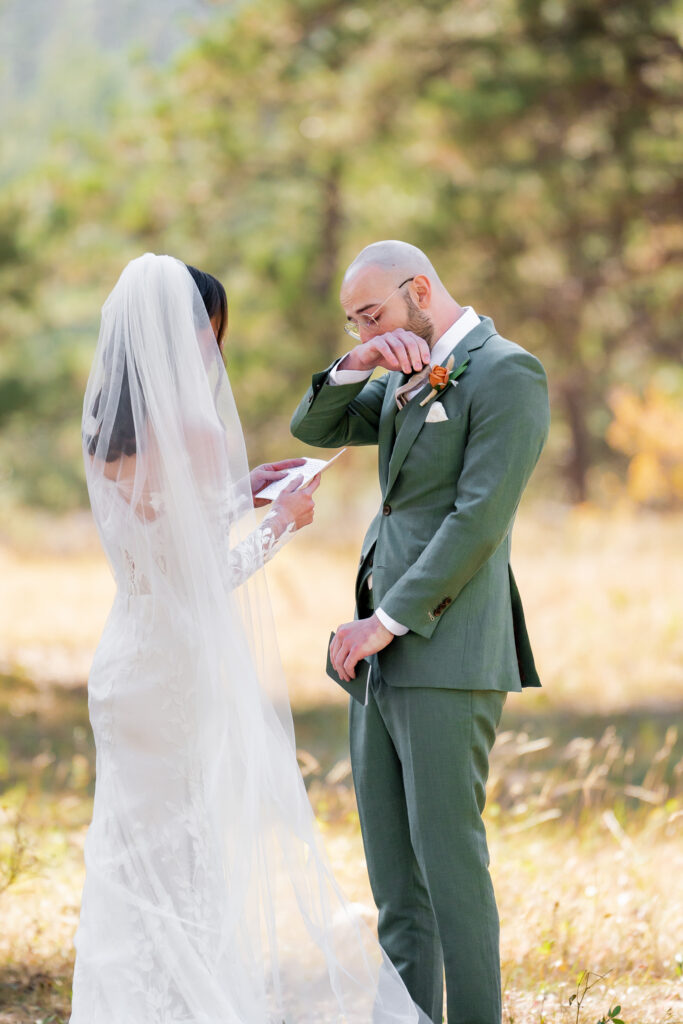
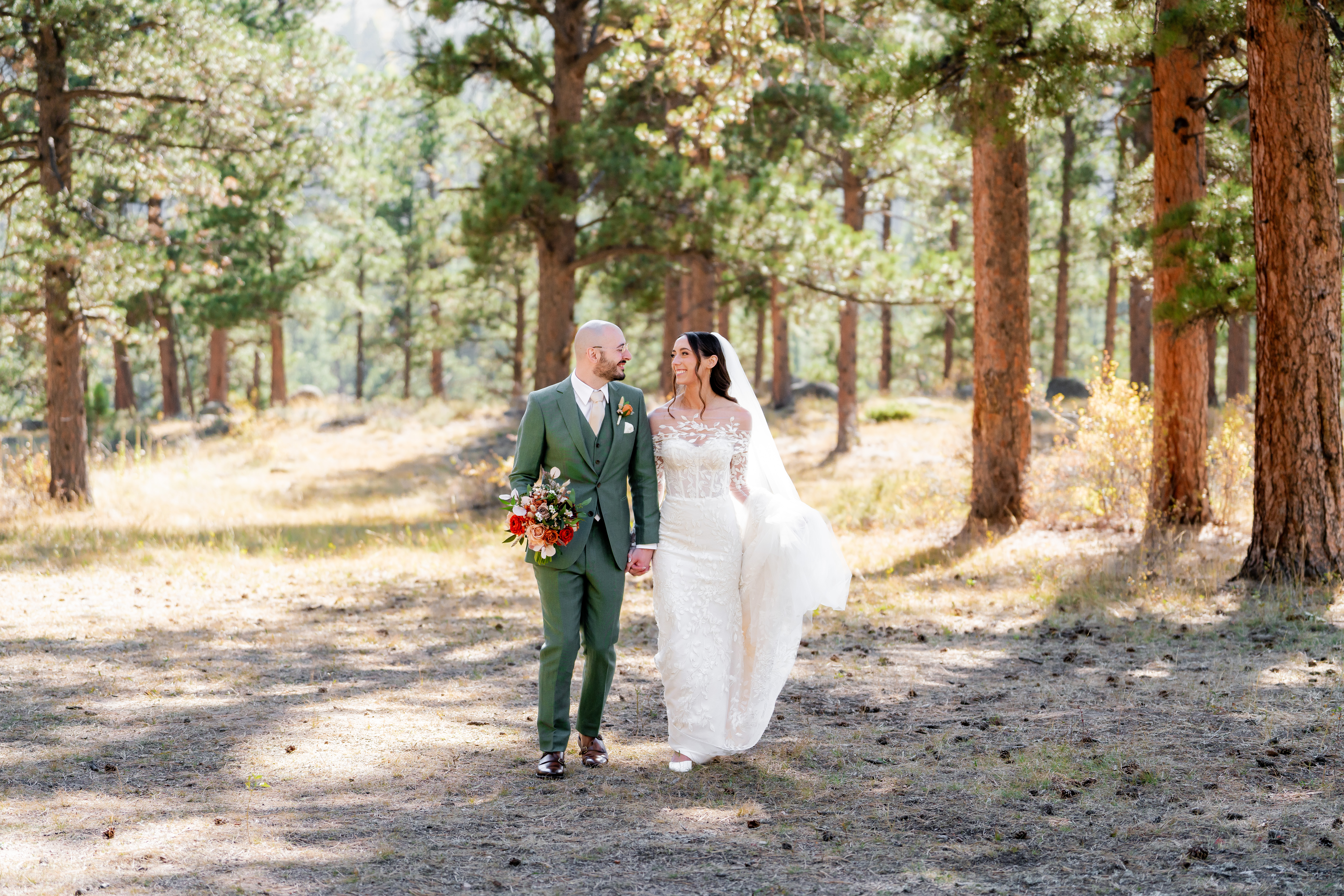
Step 1: Decide what “eloping” actually means to you
Before you choose a location or start looking at logistics, start here:
What do you actually want your day to feel like?
A lot of couples know they want to elope, but they have not fully defined what that means for them yet. And that matters, because “elopement” can mean a lot of different things.
For some couples, it means:
- just the two of you
- private vows
- one epic location
- a quiet, intentional day focused only on your relationship
For others, it means:
- 10 to 25 guests
- a ceremony in a beautiful outdoor spot
- dinner after with family
- a more intimate version of a wedding without the pressure or production
There is no one right way to do it.
Before you get too deep into planning, sit down together and talk through a few things:
- Do you want it to be just the two of you, or do you want guests?
- Are you imagining hiking boots and adventure, or something more easy-access and relaxed?
- Do you want your day to be private and quiet, or do you want a full experience with getting ready, ceremony, portraits, dinner, and celebration?
- Do you care more about epic views, privacy, convenience, or accessibility?
- Do you want one location, or multiple parts to the day?
These answers shape everything else.
The best Colorado elopements are not built around what looks good online. They are built around what feels most true to the couple living it.
Step 2: Choose the best time of year to elope in Colorado
How to elope in Colorado. Colorado is beautiful year-round, but every season gives you a completely different experience.
Summer
Summer is one of the most popular times to elope in Colorado because high alpine locations are more accessible, wildflowers show up in certain areas, and you get longer daylight hours. But it also means more crowds, more traffic in popular mountain towns, and more competition for permits and lodging.
Fall
Fall is one of the most requested seasons for a reason. The aspens turn, temperatures cool down, and the mountains look incredible. Early fall can still be mild, but conditions can change quickly at higher elevations.
Winter
Winter elopements in Colorado can be insanely beautiful if you want snow-covered views and a cozy, adventurous feel. But they also require more prep. Road closures, icy conditions, colder temperatures, and limited access to some locations are all things to consider.
Spring
Spring is underrated, but it can also be the most unpredictable. Lower elevations may start greening up while higher elevations still look very wintery. Mud season is real in some areas, and weather can swing hard.
There is not one universally “best” season. There is only the best season for your priorities.
If you want:
- alpine lakes and high mountain access, late summer into early fall is usually your best bet
- golden aspens, aim for fall
- snow and a quieter feel, winter can be incredible
- fewer crowds in some areas, weekdays and shoulder seasons are worth considering
The biggest thing to understand is that Colorado weather does whatever it wants. Planning for flexibility is part of planning a good elopement here.
Step 3: Pick the right Colorado elopement location
This is the part couples get excited about first, and for good reason.
Colorado has no shortage of beautiful places. You’ve got mountain towns, alpine lakes, meadows, desert landscapes, red rocks, forests, scenic overlooks, and national and state park options. But the prettiest place is not always the best place for your elopement.
When choosing where to elope in Colorado, think through these factors:
Privacy
Some locations are gorgeous but extremely popular. If privacy matters to you, that should shape your choice. A sunrise weekday ceremony usually gives you more space than a Saturday afternoon in peak season.
Accessibility
Do you want to hike? If so, how far? How much elevation gain are you realistically comfortable with in wedding attire? If you are bringing guests, dogs, or older family members, accessibility becomes even more important.
Permit requirements
Some locations require ceremony permits. Others may allow portrait sessions but not weddings. Some have strict guest counts, vehicle limits, or seasonal closures. You always want to confirm the current rules for the exact location you are considering. Rocky Mountain National Park, for example, requires a Special Use Permit for weddings, elopements, vow renewals, and other ceremonies, and permits are limited to designated locations with group and vehicle limits.
https://www.nps.gov/romo/planyourvisit/weddings.htm
Guest count
A location that works beautifully for two people may not work well for 15 guests.
Time of day and light
A location might look one way at sunrise and completely different at sunset. It may also be windy, crowded, or shaded depending on the time of day.
Travel time
This matters more than people realize. If you want getting ready in Breckenridge, then portraits at one location, then a ceremony at another, you need a timeline that reflects real driving time and transition time.
A great elopement location is not just beautiful. It fits your vision, your comfort level, your guest count, your logistics, and your overall experience.
Step 4: Learn Colorado’s marriage license rules
How to elope in Colorado. This is one of the biggest reasons couples love eloping in Colorado.
Colorado allows self-solemnization, which means the two of you can legally marry yourselves. You do not need an officiant or witnesses for a valid self-solemnized marriage. Colorado’s public health guidance lists “the parties to the marriage” among those who may solemnize a marriage, and county clerk guidance confirms that neither witnesses nor an officiant are required for self-solemnization.
That means if you want your ceremony to feel private and personal, you can do exactly that.
What couples should know:
- You need to apply for a Colorado marriage license through a county clerk and recorder office.
- Many counties require completing an online application first and then appearing in person for issuance. Denver and Arapahoe County both describe an application-plus-appointment process.
- The fee is commonly listed as $30 by county offices such as Boulder County and Denver.
https://bouldercounty.gov/records/recording/fees/
- Once issued, the marriage license must be completed within 35 days.
- After the ceremony, the completed certificate needs to be recorded. Denver states it must be recorded no later than 63 days from the date of solemnization or late fees apply.
- Self-solemnization is not allowed in a proxy marriage.
Because county procedures can vary a little, it is smart to double check the specific county where you plan to get your license before your trip.
Why this matters for eloping couples
This gives you a lot of flexibility. You do not have to coordinate with an officiant unless you want one. You can exchange vows privately. You can keep your ceremony deeply personal. You can build your day around your experience instead of traditional expectations.
And honestly, that freedom is a huge part of what makes Colorado so appealing.
Step 5: Figure out whether your location needs a permit
How to elope in Colorado. This is the step too many couples skip at first, and it can cause a lot of stress later.
Just because a place is outdoors does not automatically mean you can show up and hold a wedding ceremony there.
Different land agencies have different rules. National parks, state parks, county open spaces, city parks, and private venues all have their own policies.
Rocky Mountain National Park
Rocky Mountain National Park is one of the most searched elopement locations in Colorado, but it comes with rules. The park requires a Special Use Permit for weddings, elopements, vow renewals, and other ceremonies. Ceremonies are limited to designated sites, and those sites have group and vehicle caps. RMNP also notes that timed-entry reservations are required during certain hours in summer.
Colorado State Parks
Rules vary by park. Colorado Parks and Wildlife provides wedding and special event information, and individual parks may require special event permits or reservations. For example, Ridgway State Park states that certain activities may require a special event permit, and Roxborough State Park lists event-space reservation and entrance fee information on its official page.
https://cpw.state.co.us/state-parks-info?
Private property, Airbnbs, and venues
Do not assume that because you rented a property you are automatically allowed to hold a wedding there. Some properties do not allow events. Some have occupancy limits, noise restrictions, parking limits, or county regulations that matter. Always get permission in writing.
Why permits matter
Permits are not just annoying paperwork. They protect public land, help manage impact, and keep your ceremony legal and respectful. They also help you avoid showing up to a place on your wedding day only to realize you are not allowed to hold your ceremony there.
If you are ever unsure, verify directly with the land manager or property owner.
Step 6: Decide whether you want guests
Eloping does not have to mean running away in secret.
A lot of Colorado elopements include guests. It might be immediate family only. It might be parents and siblings. It might be 20 of your closest people.
The question is not whether guests are allowed in theory. The question is whether guests fit the experience you want.
Ask yourselves:
- Will guests add to the experience or change it?
- Do you want private vows even if family is there for the ceremony?
- Does your dream location comfortably fit the number of people you want?
- Are your guests physically able to get there?
- Do you want a ceremony with guests and portraits alone afterward?
There is no wrong answer here. Some couples want the intimacy of a fully private day. Others want a mix: family present for one part of the day, then private adventure time together later.
If guests are involved, you will want to think through:
- transportation
- parking
- weather exposure
- seating if needed
- accessibility
- restroom availability
- ceremony timing
- backup plans
Colorado can absolutely work for guest-inclusive elopements. It just takes intentional planning.
Step 7: Build a realistic timeline for the day
How to elope in Colorado. This is where the whole thing comes to life.
A well-planned elopement timeline is the difference between a day that feels rushed and one that feels easy, intentional, and exciting.
A lot of couples underestimate how much time they need for:
- getting ready
- driving mountain roads
- changing weather
- walking to locations
- parking and shuttles
- breathing room
- actually being present
A simple example of what a Colorado elopement day could look like:
- slow morning getting ready
- first look at your Airbnb or cabin
- drive to your ceremony location
- ceremony and private vows
- portraits at one or two nearby locations
- picnic, champagne, or lunch
- break or reset time
- sunset portraits
- dinner or celebration
Or maybe it looks like:
- sunrise ceremony
- brunch afterward
- exploring town
- second location for sunset
- campfire or private dinner
There is not one perfect format. But what matters is leaving room for the day to breathe.
In Colorado especially, timelines should account for:
- traffic into popular mountain areas
- elevation and slower hiking pace
- weather changes
- seasonal daylight changes
- road conditions in winter or mud season
The best timeline is not the one that fits the most stuff in. It is the one that lets you enjoy what you planned.
Step 8: Prepare for Colorado weather and altitude
How to elope in Colorado. This deserves its own section because it affects everything.
Colorado weather can change fast, especially in the mountains. Even beautiful forecast days can bring wind, temperature drops, quick storms, or changing visibility. That does not mean your day is ruined. It just means you plan smart.
What to prepare for:
- layers
- sturdy footwear
- backup outerwear
- extra water
- snacks
- sunscreen
- hand warmers in colder months
- clear umbrellas if needed
- flexibility
Altitude is another huge factor
If you are coming from out of state or sea level, altitude can hit harder than expected. You may feel short of breath more quickly. You may need more time while hiking or even just walking around at elevation. Hydration matters. So does giving yourselves enough time to adjust if possible.
This is another reason why all-day elopements or multi-part timelines can be such a better experience. You are not forcing yourselves to sprint through the day.
Prepared couples have a better time. Period.
Step 9: Choose your vendors intentionally
Even for a small elopement, your vendors shape the experience.
At minimum, most couples hire a photographer. But depending on what you want, you may also bring in:
- videographer
- florist
- hair and makeup artist
- private chef
- planner
- officiant, if you want one even though Colorado does not require it for self-solemnization
- rental company
- musician
- content creator
When choosing vendors, do not just ask, “Do I like their work?”
Also ask:
- Do they understand elopements specifically?
- Can they help with logistics and planning?
- Do they know Colorado conditions?
- Do they understand permits, timelines, travel, and weather realities?
- Do they make me feel comfortable?
For eloping couples, experience matters just as much as aesthetics.
You do not want someone who is only showing up for photos. You want people who understand how to help your day flow.
Step 10: Decide what you want to include in the experience
One of the best parts about eloping is that your day does not have to follow a traditional wedding formula.
You can build it around what actually feels meaningful to you.
That might include:
- reading private vows
- hiking to a ceremony spot
- renting a Jeep and exploring
- sharing coffee at sunrise
- having a picnic after your ceremony
- bringing your dog
- private chef dinner at your Airbnb
- a campfire at the end of the night
- stargazing
- first dance under the open sky
- writing letters to each other
- including family for one portion of the day
- doing a legal ceremony privately and celebrating later
A lot of couples think they need to fill the day with “wedding” things.
You do not.
The most memorable elopement days are the ones that actually feel like a reflection of the couple, not a copy of what someone else did.
Step 11: Think through the budget
A Colorado elopement can be simpler than a traditional wedding, but that does not automatically mean cheap.
Your budget depends on what kind of experience you want.
Potential costs may include:
- photography
- videography
- travel
- lodging
- attire
- bouquet and florals
- hair and makeup
- permit fees
- park entrance fees or passes
- meals
- rentals
- guest transportation
- celebration dinner
- activity add-ons
For example, Rocky Mountain National Park notes a permit fee for special use permits, and Colorado state parks charge entrance or day-use fees depending on the park.
The key is not trying to recreate a big wedding in a smaller space. It is deciding what matters most to you and spending intentionally there.
Some couples want a fully documented all-day experience with multiple locations and a private dinner after. Others want something minimal and deeply simple. Both are valid.
Step 12: Have a backup plan without losing the vision
Every good Colorado elopement plan needs flexibility built in.
That does not mean expecting disaster. It just means being smart.
A backup plan can look like:
- having an alternate nearby location
- adjusting ceremony time
- moving from one overlook to another
- embracing a covered space if weather turns
- building extra time into the schedule
- choosing vendors who know how to pivot calmly
The best backup plans still feel intentional. They are not “second-best” plans. They are just alternate ways to protect the experience.
Colorado weather and public land realities make flexibility a strength, not a compromise.
Step 13: Leave room to actually enjoy it
This sounds simple, but it matters so much.
Your elopement day should not feel like a styled shoot you are trying to survive.
It should feel like your wedding day.
Leave room to:
- pause
- eat
- laugh
- look around
- breathe
- take in what is happening
The most emotional moments usually are not the overplanned ones. They happen in the quiet spaces. On the drive between locations. While fixing each other’s jackets. When you finally stop and realize, “We’re actually doing this.”
That is the stuff you remember.
Common questions couples ask about how to elope in Colorado
Can you legally marry yourselves in Colorado?
Yes. Colorado allows self-solemnization, so couples can legally solemnize their own marriage without an officiant or witnesses.
Do you need witnesses to elope in Colorado?
No, not for a valid self-solemnized marriage. County guidance states that neither witnesses nor an officiant are required for self-solemnization.
How long is a Colorado marriage license valid?
County clerk guidance states the license must be completed within 35 days after issuance.
Do you need a permit to elope in Rocky Mountain National Park?
Yes. RMNP requires a Special Use Permit for weddings, elopements, vow renewals, and other ceremonies.
Do you need a timed-entry reservation for RMNP too?
RMNP states timed-entry reservations are required during certain summer hours. Rules can change seasonally, so couples should verify current park requirements when planning.
How much does a Colorado marriage license cost?
County offices including Boulder County and Denver list the fee at $30.
Final thoughts: eloping in Colorado can be simple, meaningful, and fully your own
If you have been wondering how to elope in Colorado, here is the truth:
It does not have to be complicated.
Yes, there are logistics. Yes, there are permits, planning decisions, and weather considerations. But at the core of it, eloping in Colorado is about stripping away everything that does not matter and making room for what does.
You get to build a day that feels like you.
You get to choose the pace.
You get to decide whether it is just the two of you or a small circle of people you love.
You get to stand somewhere beautiful and make this commitment in a way that actually feels real.
And that is what makes it so powerful.
If you’re dreaming up your Colorado elopement and want help with locations, timelines, logistics, permits, and creating a day that feels effortless and true to you, this is exactly what I help my couples with.
Reach out here and let’s start planning your Colorado elopement adventure.


+ Show Comments
- Hide Comments
add a comment